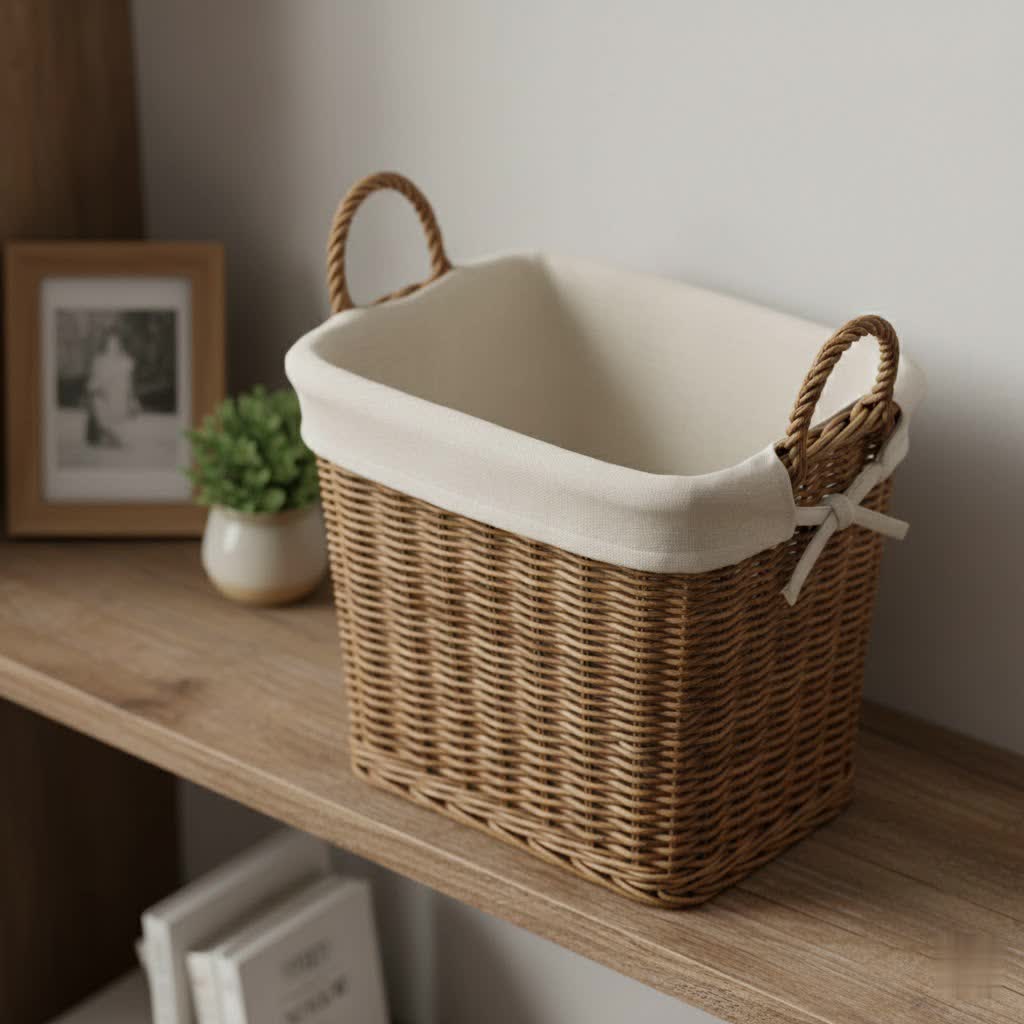
Laundry day, for many, isn’t just a chore; it’s a marathon of sorting, washing, drying, and folding. While the washing machine does the heavy lifting, the humble laundry basket plays an unsung hero’s role, bridging the gap between dirty clothes and fresh attire. But with a myriad of options available, selecting the ideal “basket of laundry” for your home can feel surprisingly complex. This comprehensive guide, informed by years of experience in home essentials, will help you navigate the choices, ensuring your laundry routine is as seamless and stylish as possible.
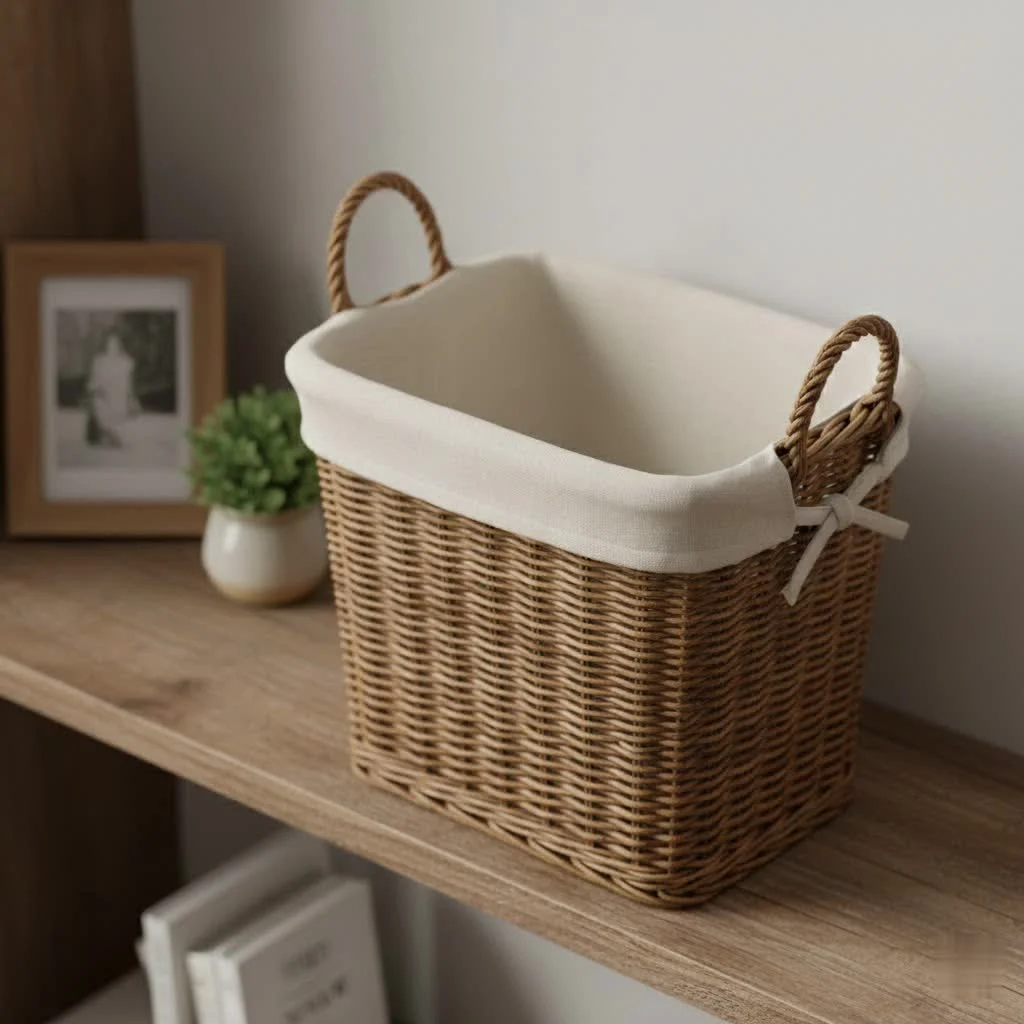
From managing daily loads to maintaining a tidy home aesthetic, the right laundry basket is more than just a container; it’s an integral part of your household organization. We’ll delve into popular types, compare their features, share expert tips, and highlight key considerations to empower you to make an informed decision for your family’s needs in 2024. For more laundry basket guides on this site.
Understanding Laundry Baskets: Types and Materials
Before diving into selections, it’s helpful to understand the various forms a laundry basket can take. While often used interchangeably, there’s a subtle distinction between a “laundry basket” and a “laundry hamper” that can influence your choice. Generally, a laundry basket is an open-topped, portable container designed for carrying clothes to and from the washing machine. A laundry hamper, on the other hand, is typically taller, often comes with a lid or a fabric liner to conceal dirty clothes and contain odors, and is usually a more stationary storage solution. Both are crucial for keeping dirty clothes contained until wash day.
Let’s explore the most common types and materials you’ll encounter.
Plastic Laundry Baskets
Plastic baskets are perhaps the most ubiquitous, known for their practicality and affordability.
- Advantages: Extremely durable, lightweight, and incredibly easy to clean with a quick wipe down or rinse. They are often the most budget-friendly option and come in a vast array of colors and sizes.
- Disadvantages: While functional, plastic can sometimes lack aesthetic appeal, and lower-quality plastics may become brittle and crack over time, especially with heavy use.
- Durability & Hygiene: Generally robust and resistant to moisture, making them hygienic. Many feature ventilation holes to prevent odors and mildew.
Fabric Laundry Baskets
Fabric options offer a softer, often more stylish approach to laundry storage.
- Advantages: Available in diverse designs, colors, and patterns, fabric baskets can seamlessly blend with your home decor. Materials like cotton, canvas, and polyester offer good breathability, which is essential for airing out dirty clothes. Many are collapsible, ideal for small spaces.
- Disadvantages: Fabric can be more challenging to clean directly, sometimes requiring removable liners that can be machine-washed. If left with damp clothes, they can be prone to mildew and odors.
- Materials & Breathability: Common materials include cotton, canvas, polyester, and even nylon. The woven nature of most fabrics allows for good airflow, crucial for preventing musty smells.
Metal Laundry Baskets
|
Our Picks for the Best Laundry Basket in 2026
As an Amazon Associate I earn from qualifying purchases.
|
||
| Num | Product | Action |
|---|---|---|
| 1 | Lifewit 100L Laundry Basket with Lid, Clothes Hampers for Laundry with Bamboo Handles and 1 Removable Bag, Large Foldable Laundry Hamper for Bedroom, Bathroom, Dorm, Laundry Room, Black |

|
| 2 | Lifewit 2 Pack Laundry Hamper Large Collapsible Laundry Baskets, Freestanding Waterproof Clothes Hamper with Easy Carry Handles in Laundry Room Bedroom Bathroom College Dorm, Black, 2 x 80L |
|
| 3 | Lifewit 100L Laundry Basket with Lid, Clothes Hampers for Laundry with Bamboo Handles and 1 Removable Bag, Large Foldable Laundry Hamper for Bedroom, Bathroom, Dorm, Laundry Room, Dark Blue |
|
| 4 | Lifewit 2 Pack Laundry Basket 80L Each - Collapsible Clothes Hamper with Reinforced Handles - Freestanding Waterproof Design for Bedroom and Laundry Room - Grey 160L Total |
|
| 5 | Lifewit 2 Pack Laundry Hamper Large Collapsible Laundry Baskets, Freestanding Waterproof Clothes Hamper with Easy Carry Handles in Laundry Room Bedroom Bathroom College Dorm, Blue, 2 x 80L |
|
| 6 | Lifewit 100L Laundry Basket with Lid, Clothes Hampers for Laundry with Bamboo Handles and A Removable Bag, Large Foldable Laundry Hamper for Bedroom, Bathroom, Dorm, Laundry Room, Gray |
|
| 7 | Lifewit 100L Laundry Basket with Lid, Clothes Hampers for Laundry with Bamboo Handles and 1 Removable Bag, Large Foldable Laundry Hamper for Bedroom, Bathroom, Dorm, Laundry Room, Beige |
|
| 8 | Lifewit 100L Laundry Basket with Lid, Clothes Hampers for Laundry with Bamboo Handles and 1 Removable Bag, Large Foldable Laundry Hamper for Bedroom, Bathroom, Dorm, Laundry Room, Green |
|
| 9 | Lifewit 100L Laundry Basket with Lid, Clothes Hampers for Laundry with Bamboo Handles and 1 Removable Bag, Large Foldable Laundry Hamper for Bedroom, Bathroom, Dorm, Laundry Room, Dark Gray |
|
| 10 | Lifewit 2 Pack Laundry Hamper Large Collapsible Laundry Baskets, Freestanding Waterproof Clothes Hamper with Easy Carry Handles in Laundry Room Bedroom Bathroom College Dorm, Beige, 2 x 80L |
|
Metal, typically steel or wire, brings a modern and industrial aesthetic to laundry organization.
- Advantages: Exceptionally strong, stable, and durable, metal baskets can handle heavy loads without issues. Their sleek designs can add a chic touch to your laundry room or bedroom. Many come with wheels for easy transport.
- Disadvantages: Metal can be heavy, and some designs may be prone to rust if not properly coated, especially in damp environments. Care should be taken with delicate fabrics to avoid snagging on wire edges.
- Durability & Load Capacity: Known for high durability and excellent load-bearing capabilities.
Wicker/Bamboo/Natural Fiber Laundry Baskets
For those who prioritize aesthetics and natural appeal, wicker, bamboo, rattan, or seagrass baskets are a popular choice.
- Advantages: These natural fiber baskets offer a warm, earthy, and sophisticated look that can enhance any room’s decor. They are often handmade, adding a unique touch.
- Disadvantages: While beautiful, natural fibers can be harder to clean than plastic and are more susceptible to moisture damage, such as mold or mildew, if not kept dry. They may also be less durable for heavy, frequent lifting and carrying. Delicate clothing might snag on rough edges.
- Aesthetics & Eco-friendliness: Highly prized for their decorative qualities and their environmentally friendly nature as renewable resources.
Comparative Table of Laundry Basket Types
To simplify your decision, here’s a quick comparison of the most popular types:
| Type of Basket | Advantages | Disadvantages | Durability | Price Range |
|---|---|---|---|---|
| Plastic | Easy to clean, lightweight, affordable, durable | Less aesthetic, may crack over time | High | Low |
| Fabric | Aesthetic, collapsible, breathable, diverse designs | Harder to clean directly, prone to mildew | Medium | Medium |
| Metal | Very durable, strong, modern aesthetic, often wheeled | Heavy, can rust, may snag delicates | Very High | High |
| Wicker/Bamboo | Highly aesthetic, eco-friendly, blends with decor | Prone to moisture damage, harder to clean, may snag | Medium | Medium-High |
How to Choose the Perfect Laundry Basket
Selecting the right laundry basket involves more than just picking the first one you see. It’s about matching its features to your lifestyle, living space, and laundry habits.
Determining Your Usage Needs
Consider how often you do laundry and for how many people.
- Family Size: A single person might need a compact basket, while a large family will benefit from multiple baskets or a large-capacity hamper, possibly with multiple compartments for pre-sorting.
- Laundry Frequency: If you do laundry frequently, a smaller, easy-to-carry basket is ideal. If you accumulate clothes for a weekly wash, a larger hamper with a lid is more suitable for discreet storage.
Size Matters: Fitting Your Space and Load
The size of your laundry basket should align with both the volume of clothes you produce and the space you have available.
- Space Constraints: For small apartments, dorm rooms, or tight laundry closets, collapsible baskets, slim rolling hampers, or vertical designs are excellent choices.
- Load Capacity: Estimate your typical laundry load. Baskets range from small (1-2 cubic feet) for personal use to large hampers (3-5+ cubic feet) for family loads. An overflowing basket is not only unsightly but can also damage the basket itself.
Material Selection: Balancing Durability, Hygiene, and Style
As discussed, each material offers distinct pros and cons.
- Durability: Plastic and metal are generally the most durable for heavy use.
- Ease of Cleaning: Plastic is the easiest to wipe down. For fabric, look for removable, washable liners.
- Breathability: Fabric and some metal designs with open weaves offer better airflow, crucial for preventing odors.
- Aesthetics: Wicker, bamboo, and stylish fabric options can complement your home decor.
Key Features to Look For
Modern laundry baskets come with various features designed to enhance convenience and functionality.
- Lids: A lid is excellent for containing odors and keeping dirty laundry out of sight, contributing to a tidier appearance.
- Wheels/Casters: For those who need to transport heavy loads across rooms or to a communal laundry area, wheels are a game-changer, saving your back and making the task effortless.
- Handles: Sturdy, comfortable handles are essential for any basket intended for carrying. Look for ergonomic designs that won’t dig into your hands when full.
- Multiple Compartments/Sorters: For efficient pre-sorting of whites, colors, and delicates, multi-compartment hampers can streamline your laundry routine significantly.
- Collapsible Design: Perfect for minimizing clutter when the basket is not in use, especially in limited spaces.
- Removable Liners: A washable liner protects the basket itself and makes transporting laundry to the machine much easier and more hygienic.
Smart Usage and Maintenance Tips
A well-maintained laundry basket not only lasts longer but also contributes to a cleaner, fresher home environment.
- Regular Cleaning: Depending on the material, clean your basket regularly. Plastic can be wiped with a damp cloth and mild disinfectant. Fabric liners should be washed according to their care instructions. Natural fibers can be wiped with a dry cloth and occasionally aired out in sunlight.
- Avoid Wet Clothes: Never leave wet or damp clothes in your basket for extended periods, as this is a primary cause of mildew, odors, and damage to the basket.
- Ventilation is Key: Store your laundry basket in a dry, well-ventilated area to prevent moisture buildup and keep clothes from developing a musty smell.
- Inspect and Replace: Over time, baskets can wear out. Regularly check for cracks, tears, or structural weaknesses. Replacing a damaged basket ensures efficiency and prevents potential accidents.
Reputable Brands and Where to Buy
The market offers a wide range of brands known for their quality and innovative designs. Some popular choices include:
- Sterilite & Rubbermaid: Often recognized for durable, functional plastic baskets and hampers.
- Yamazaki Home & Simplehuman: Known for sleek, modern designs, often incorporating metal and fabric, with a focus on space-saving and efficient features.
- Seville Classics & Pottery Barn: Offer stylish woven and natural fiber hampers that blend seamlessly with home decor.
- Brightroom & Home Logic: Provide budget-friendly yet functional options, often available at major retailers.
You can find laundry baskets at various retailers, both online and in brick-and-mortar stores:
- Online Marketplaces: Amazon, Wayfair, and the official websites of brands like Simplehuman or Yamazaki Home offer extensive selections with user reviews.
- Home Goods Stores: Retailers like The Container Store, Target, and Ikea provide a diverse range of styles and materials.
- Local Stores: Don’t forget smaller local shops, which might carry unique or artisanal options.
When buying online, always read customer reviews to gauge product quality and ensure it meets your expectations. Check return policies, especially for larger items.
Buying Guide: Final Considerations
Before making your final purchase, let’s quickly recap the essential factors:
- Budget: Determine how much you’re willing to spend. Prices can range from under $15 for basic plastic baskets to over $100 for high-end, feature-rich hampers.
- Compare Prices: Shop around. Different retailers may offer the same product at varying prices, and sales or promotions can provide significant savings.
- Read User Reviews: Leverage the experiences of other customers. Reviews can offer invaluable insights into a product’s real-world performance, durability, and any potential downsides.
- Warranty/Return Policy: Ensure the product comes with a reasonable warranty or return policy in case it doesn’t meet your expectations or arrives damaged.
> “The ideal laundry basket isn’t just about utility; it’s about finding a product that effortlessly integrates into your daily life, simplifying tasks while enhancing your home’s aesthetic.”
Conclusion
The “basket of laundry” is far more than a simple receptacle for dirty clothes; it’s a crucial tool in maintaining an organized and harmonious home. By understanding the various types—from durable plastic to elegant wicker, and features like lids, wheels, or multiple compartments—you can make an informed choice that caters to your family’s unique needs and lifestyle. Prioritize material, size, and functionality, and remember to care for your basket to ensure its longevity. A well-chosen laundry basket can transform laundry day from a dreaded chore into a manageable and even pleasant part of your routine.
What innovative features do you wish your next laundry basket had to make laundry day even easier?
Frequently Asked Questions
What is the primary difference between a laundry basket and a laundry hamper?
Generally, a laundry basket is an open, portable container used for transporting clothes, while a laundry hamper is typically taller, often has a lid to conceal dirty clothes and odors, and is designed for stationary storage, usually with a larger capacity.
What is the best material for a laundry basket to prevent odors?
Materials with good breathability, such as fabric (especially with mesh or ventilation) and some wire metal baskets, are excellent for preventing odors. Hampers with lids are also effective at containing smells. Look for removable, washable liners for added hygiene.
How do I choose a laundry basket for a small apartment?
For small apartments, consider collapsible fabric baskets that can be folded away when not in use, slim rolling hampers that fit into narrow spaces, or vertical designs that maximize storage without taking up much floor space.
Are rolling laundry baskets worth the investment?
Rolling laundry baskets are highly recommended if you frequently move heavy loads of laundry, have a large family, or need to transport clothes across different rooms or to a communal laundry facility. They significantly reduce physical strain and make laundry day more efficient.
How often should I clean my laundry basket?
It is advisable to clean your laundry basket regularly, especially if you place damp items in it. Plastic baskets can be wiped down weekly, while fabric liners should be washed as needed, ideally every few weeks or once a month, to prevent mildew and odors.
Get our weekly buyer guide
Practical specs, not advice. Unsubscribe anytime.
