Are you tired of laundry day chaos, with dirty clothes scattered everywhere? A well-chosen laundry basket can transform your laundry routine, bringing order and efficiency to an often-dreaded chore. But with countless options available, finding the perfect one can feel overwhelming. As an expert with over a decade in home appliances, particularly laundry aids, I’ve explored every facet of laundry baskets – from materials and dimensions to functionality. This comprehensive guide is designed to help you navigate the choices and select a laundry basket that perfectly fits your family’s needs and lifestyle. Let’s dive into the world of laundry baskets and discover how to make your laundry tasks a breeze!
Popular Types of Laundry Baskets
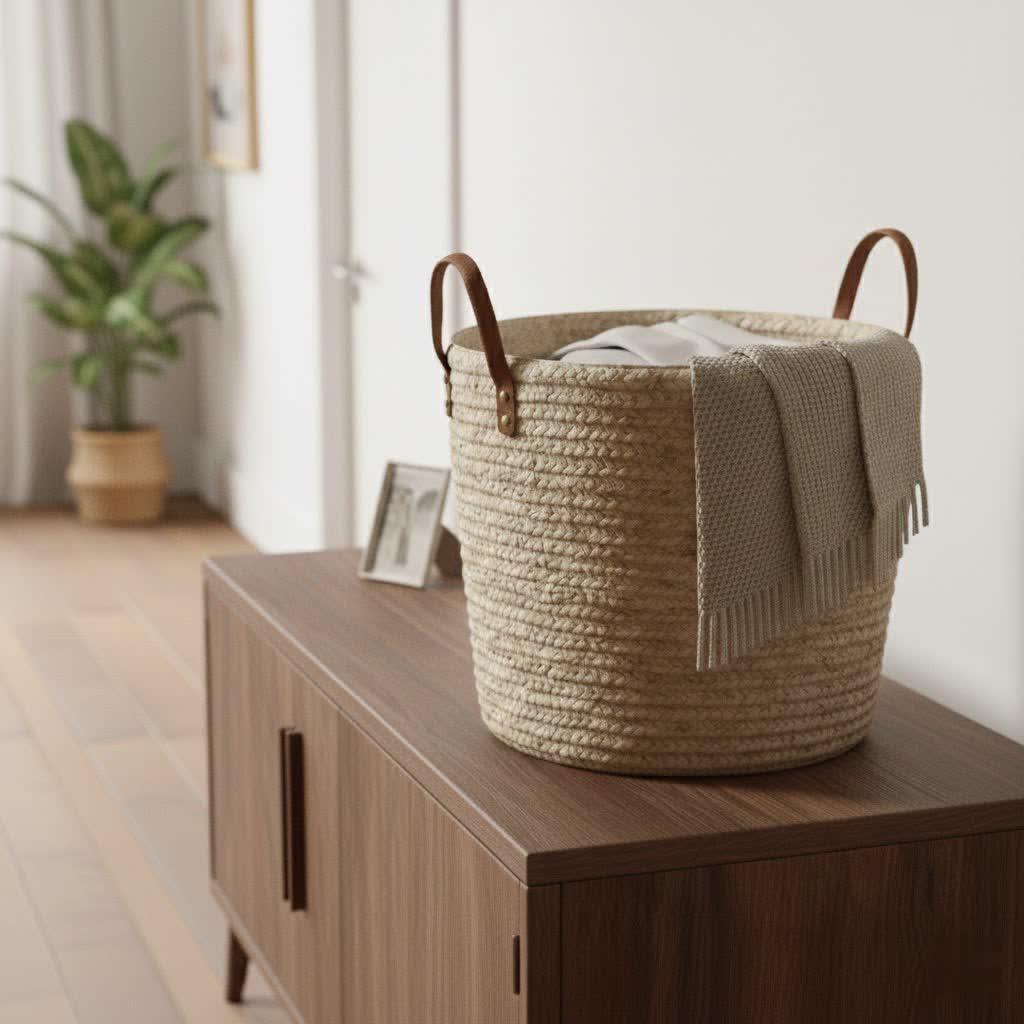
The foundation of a good laundry system often starts with the right basket. Different materials offer unique advantages and disadvantages, impacting durability, aesthetics, and ease of use. Understanding these distinctions is crucial for making an informed decision.
Plastic Laundry Baskets
Plastic laundry baskets are perhaps the most common and budget-friendly option.
- Pros: They are incredibly easy to clean, often just needing a quick wipe down or rinse. Their lightweight nature makes them easy to carry, and they come in a vast array of colors and designs. Plastic is generally water-resistant, making it suitable for damp items.
- Cons: A significant drawback is their aesthetic appeal; they can often look utilitarian rather than decorative. Lower-quality plastics can become brittle over time, leading to cracks and breaks, especially when exposed to direct sunlight or heavy loads.
- Durability & Cleaning: While generally durable, their lifespan can vary. Cleaning is straightforward, making them a hygienic choice for separating different types of laundry.
|
Our Picks for the Best Laundry Basket in 2026
We may earn a commission when you use one of our links to make a purchase.
|
||
| Num | Product | Action |
|---|---|---|
| 1 | Lifewit 100L Laundry Basket with Lid, Clothes Hampers for Laundry with Bamboo Handles and 1 Removable Bag, Large Foldable Laundry Hamper for Bedroom, Bathroom, Dorm, Laundry Room, Beige |

|
| 2 | Lifewit 2 Pack Laundry Hamper Large Collapsible Laundry Baskets, Freestanding Waterproof Clothes Hamper with Easy Carry Handles in Laundry Room Bedroom Bathroom College Dorm, Beige, 2 x 80L |
|
| 3 | Lifewit 100L Laundry Basket with Lid, Clothes Hampers for Laundry with Bamboo Handles and 1 Removable Bag, Large Foldable Laundry Hamper for Bedroom, Bathroom, Dorm, Laundry Room, Dark Gray |
|
| 4 | Lifewit 100L Laundry Basket with Lid, Clothes Hampers for Laundry with Bamboo Handles and 1 Removable Bag, Large Foldable Laundry Hamper for Bedroom, Bathroom, Dorm, Laundry Room, Black |
|
| 5 | Lifewit 100L Laundry Basket with Lid, Clothes Hampers for Laundry with Bamboo Handles and 1 Removable Bag, Large Foldable Laundry Hamper for Bedroom, Bathroom, Dorm, Laundry Room, Green |
|
| 6 | Lifewit 2 Pack Laundry Hamper Large Collapsible Laundry Baskets, Freestanding Waterproof Clothes Hamper with Easy Carry Handles in Laundry Room Bedroom Bathroom College Dorm, Black, 2 x 80L |
|
| 7 | Lifewit 2 Pack Laundry Basket 80L Each - Collapsible Clothes Hamper with Reinforced Handles - Freestanding Waterproof Design for Bedroom and Laundry Room - Grey 160L Total |
|
| 8 | Lifewit 100L Laundry Basket with Lid, Clothes Hampers for Laundry with Bamboo Handles and 1 Removable Bag, Large Foldable Laundry Hamper for Bedroom, Bathroom, Dorm, Laundry Room, Dark Blue |
|
| 9 | Lifewit 100L Laundry Basket with Lid, Clothes Hampers for Laundry with Bamboo Handles and A Removable Bag, Large Foldable Laundry Hamper for Bedroom, Bathroom, Dorm, Laundry Room, Gray |
|
| 10 | Lifewit 2 Pack Laundry Hamper Large Collapsible Laundry Baskets, Freestanding Waterproof Clothes Hamper with Easy Carry Handles in Laundry Room Bedroom Bathroom College Dorm, Blue, 2 x 80L |
|
Fabric Laundry Baskets
Fabric laundry baskets, often referred to as hampers, have gained popularity for their versatility and style.
- Pros: They excel in aesthetic diversity, offering various patterns, colors, and textures that can easily blend with interior decor. Materials like cotton, canvas, and polyester are breathable, which helps prevent odors and mildew if clothes aren’t excessively damp. Many fabric hampers are collapsible, making them ideal for small spaces or when not in use.
- Cons: Cleaning can be more challenging, often requiring spot cleaning or specific washing instructions. They can absorb odors and are more susceptible to mildew if wet clothes are left inside for extended periods. Their structure might be less rigid than plastic or metal.
- Materials & Breathability: Cotton and canvas offer natural breathability, while polyester blends provide added durability. Their soft construction is gentle on clothes and furniture.
Metal Laundry Baskets
Metal laundry baskets, often made from steel or aluminum, offer a robust and industrial-chic appeal.
- Pros: Known for their exceptional durability and strength, metal baskets can withstand heavy loads without warping or breaking. Their open-weave or mesh designs often provide excellent ventilation, which is crucial for preventing dampness and odors. They contribute a modern or vintage industrial aesthetic.
- Cons: Metal can be heavy, making it less portable. There’s a risk of rust if not properly treated, especially in humid environments, though many are coated to prevent this. Some designs might have sharp edges if not well-finished.
- Durability & Load-bearing: These are built to last and handle substantial weight, making them suitable for large families or commercial use.
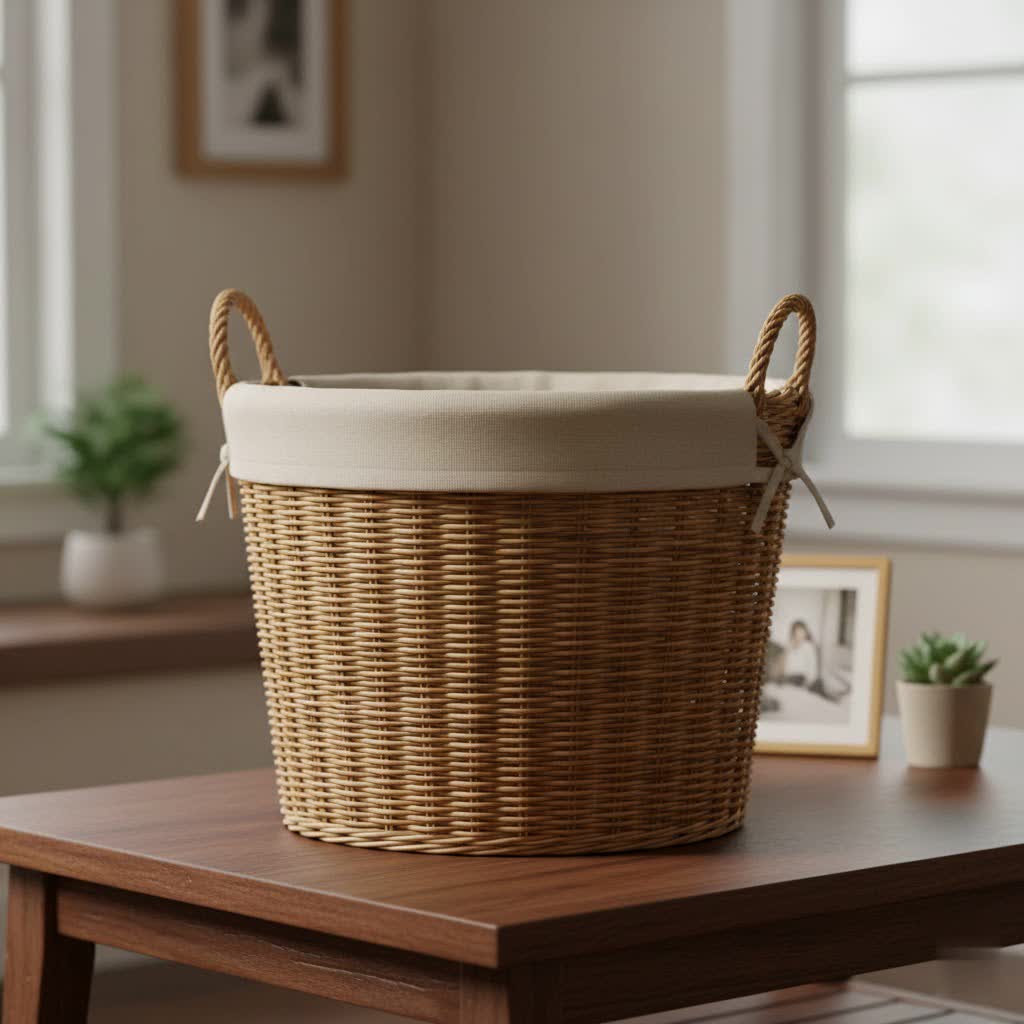
Wicker/Bamboo Laundry Baskets
Wicker and bamboo baskets bring a touch of natural elegance and warmth to any room.
- Pros: Their aesthetic appeal is a major draw, offering a natural, artisanal look that enhances various decor styles, from bohemian to coastal. They are generally environmentally friendly and offer good breathability through their woven construction.
- Cons: They can be more prone to mold and mildew in damp environments if not properly lined or aired out. Cleaning can be difficult, as dust and lint can accumulate in the weave, and they are not typically water-friendly. Their durability can be lower than metal, and they might snag delicate fabrics.
- Aesthetics & Eco-friendliness: These are chosen primarily for their look and sustainable material, often coming with fabric liners for protection and easier cleaning.
Comparison Table: Popular Laundry Basket Types
Understanding the trade-offs between different materials is key to making an informed decision. Here’s a quick comparison to help you weigh the pros and cons.
| Type of Basket | Advantages | Disadvantages | Durability | Price Range |
|---|---|---|---|---|
| Plastic | Easy to clean, lightweight, affordable | Less aesthetic, can crack, brittle | Medium | Low |
| Fabric | Stylish, collapsible, breathable | Harder to clean, absorbs odors, less rigid | Medium | Medium |
| Metal | Very durable, strong, excellent ventilation | Heavy, risk of rust (if untreated) | High | High |
| Wicker/Bamboo | Aesthetic, eco-friendly, breathable | Prone to mold, difficult to clean, can snag | Medium | Medium |
How to Choose the Right Laundry Basket
Selecting the ideal laundry basket goes beyond just aesthetics; it involves considering your specific needs, living space, and laundry habits. A thoughtful choice can make your laundry routine significantly more manageable.
Determine Usage Needs
Begin by assessing your household’s laundry volume and frequency.
- Family Size: A single person might need a compact, single hamper, while a large family would benefit from multiple baskets or a large-capacity sorting hamper.
- Laundry Frequency: If you do laundry frequently, a smaller basket might suffice. For less frequent washes, a larger capacity is essential to prevent overflow. Consider if you prefer to sort clothes before washing; multi-compartment hampers are excellent for this.
Basket Size and Space
The dimensions of your laundry basket should harmonise with your living environment.
- Available Space: Measure the area where the basket will reside. Slim, tall hampers are perfect for tight corners, while wider, shorter baskets fit well under windows or in open areas.
- Capacity: Ensure the basket can comfortably hold a typical load of your laundry without overflowing. Overfilling can damage the basket and make it harder to transport.
Material Considerations
The material greatly influences durability, maintenance, and appearance.
- Durability: Opt for materials that can withstand the rigors of your usage. Metal and sturdy plastic offer high durability, while high-quality fabric and woven baskets can also last long with proper care.
- Ease of Cleaning: If hygiene is a top priority, easily washable materials like plastic or those with removable, machine-washable liners are best.
- Safety: Ensure materials are safe for your clothes and free from harmful chemicals.
Style and Aesthetics
Your laundry basket doesn’t have to be an eyesore; it can be an extension of your home decor.
- Interior Match: Choose a style that complements your existing decor. A minimalist wire basket suits modern homes, while a woven wicker basket adds warmth to a rustic or bohemian setting.
- Color & Design: Consider colors and patterns that integrate seamlessly into your room’s palette.
Additional Features
Modern laundry baskets often come with features designed for enhanced convenience.
- Lids: A lid helps conceal dirty laundry and contain odors, making it ideal for bedrooms or visible areas.
- Wheels: Baskets with wheels are a game-changer for transporting heavy loads from room to laundry area, especially in larger homes or apartments without an in-unit washer.
- Handles: Strong, comfortable handles are crucial for portability. Look for reinforced handles, especially on larger or heavier baskets.
- Sorting Compartments: Hampers with multiple compartments (e.g., for whites, darks, delicates) simplify pre-sorting, saving time on laundry day.
- Collapsible Design: Great for small spaces or occasional use, these baskets can be folded flat when empty.
Tips for Using and Maintaining Your Laundry Basket
Proper care and usage will extend the life of your laundry basket and maintain a fresh, hygienic laundry area. Ignoring maintenance can lead to unpleasant odors and even damage to the basket itself.
- Regular Cleaning: Depending on the material, clean your basket frequently. Plastic can be wiped down with a damp cloth and mild detergent. Fabric liners should be washed as per their instructions, typically machine washable. For wicker or bamboo, vacuuming or wiping with a dry cloth is usually sufficient, with spot cleaning for stains.
- Avoid Wet Clothes: Never leave soaking wet clothes in any laundry basket for an extended period, especially fabric or natural fiber baskets. This is a primary cause of mold, mildew, and unpleasant odors. If clothes are damp, let them air dry partially before placing them in the basket.
- Proper Placement: Store your laundry basket in a dry, well-ventilated area. Avoid placing it in excessively humid bathrooms or damp basements, which can encourage mildew growth, particularly for natural materials.
- Check for Damage: Periodically inspect your basket for any signs of wear and tear, such as cracks in plastic, fraying fabric, or rust on metal. Addressing minor issues early can prevent further damage and prolong its usability. Replace baskets that are significantly damaged or harbor persistent odors.
- Use Liners: For natural fiber baskets or those without easy-to-clean surfaces, use a removable fabric liner. Liners protect the basket from moisture and dirt and are much easier to wash.
Reputable Laundry Basket Brands
While I can’t conduct live brand research, several characteristics define reputable brands in the laundry basket market. These brands typically focus on durability, functional design, and often offer a range of styles and materials to suit diverse consumer needs. Look for companies known for quality home organization products, often found in major home goods stores or online retailers. They frequently emphasize:
- Material Quality: Using high-grade plastics, durable fabrics, rust-resistant metals, or sustainably sourced natural fibers.
- Ergonomics: Designing baskets that are easy to carry, move, and load/unload, often with comfortable handles or wheels.
- Aesthetic Appeal: Offering stylish designs that can blend seamlessly with modern home decor.
- Customer Reviews: Brands with consistently positive reviews for product longevity and satisfaction are a good indicator of reliability.
When shopping, popular names in home organization and storage, as well as brands specializing in laundry accessories, are often a safe bet. Comparing products from different reputable brands will allow you to find the best fit for your specific requirements.
Where to Buy Your Laundry Basket
Finding the perfect laundry basket is easier than ever, with a multitude of purchasing options available both online and in brick-and-mortar stores.
In-Store Purchases
- Department Stores: Major department stores like Target, Walmart, or Kohl’s often have dedicated home organization sections with a wide selection of plastic, fabric, and sometimes metal baskets. This allows you to physically inspect the size, feel the material, and test handle comfort.
- Home Goods Stores: Stores such as HomeGoods, Marshalls, or TJ Maxx offer unique and stylish options, though their inventory rotates frequently. You might find more aesthetically pleasing fabric or wicker designs here.
- Specialty Stores: Stores dedicated to organizational solutions, like The Container Store, will have premium, high-quality, and often innovative laundry basket designs, including sorting systems and collapsible options.
Online Purchases
- Large E-commerce Retailers: Websites like Amazon, Wayfair, and Overstock offer an unparalleled selection from numerous brands, often at competitive prices. You can filter by material, size, color, features, and read extensive customer reviews.
- Brand Websites: Many reputable brands also sell directly from their own websites, sometimes offering exclusive designs or better warranty support.
- Sustainable Marketplaces: For eco-friendly options, explore marketplaces focusing on sustainable home goods, which often feature handmade wicker or bamboo baskets.
Tips for Online Shopping
- Read Reviews: Always check customer reviews for insights into actual product quality, durability, and whether it matches the description. Pay attention to comments about size and material accuracy.
- Check Dimensions: Ensure you carefully review the product dimensions. Photos can be deceiving, and you want to be certain the basket fits your intended space.
- Shipping Costs: Be mindful of shipping costs, especially for larger or heavier items, as these can sometimes outweigh initial savings.
- Return Policy: Familiarize yourself with the return policy in case the product doesn’t meet your expectations.
Buying Guide: Essential Considerations for Your Laundry Basket Purchase
Making a smart purchase requires more than just picking the first attractive option. A few key steps can ensure you get the best value and functionality from your new laundry basket.
Establish Your Budget
Laundry baskets range widely in price, from under $10 for basic plastic models to over $100 for high-end, multi-feature hampers.
- Value vs. Cost: Determine how much you’re willing to spend. While inexpensive options are appealing, investing a bit more in a durable, well-designed basket can save you money and frustration in the long run by avoiding frequent replacements.
- Long-Term Investment: Consider the basket as a long-term investment in your home organization, especially if you prioritize aesthetics or specific features like wheels or sorting compartments.
Compare Prices and Promotions
Once you’ve identified a few suitable options, take the time to compare prices across different retailers.
- Sales and Discounts: Look for seasonal sales, holiday promotions, or bundle deals that might offer a better price.
- Online vs. In-Store: Sometimes online retailers have better prices due to lower overheads, but in-store purchases might save on shipping costs for bulky items.
Read User Reviews
Customer reviews are an invaluable resource for real-world insights into a product’s performance and quality.
- Authentic Feedback: Pay attention to consistent themes in reviews regarding durability, ease of use, and whether the product lives up to its description.
- Filter for Specific Needs: Search for reviews that mention situations similar to yours, such as “laundry basket for small apartments” or “durable laundry basket for kids.”
Understand the Warranty and Return Policy
Protecting your purchase ensures peace of mind.
- Warranty: Check if the manufacturer offers any warranty against defects. This indicates confidence in their product’s quality.
- Return Policy: Ensure you understand the retailer’s return policy, including the timeframe for returns and whether you’re responsible for return shipping costs. This is particularly important for online purchases where you can’t physically inspect the item beforehand.
“A well-chosen laundry basket isn’t just a container; it’s a strategic tool for maintaining home harmony and simplifying one of life’s most persistent chores.” – Admin, Revieweoto.com, Home Appliance Expert
Conclusion
Choosing the right laundry basket might seem like a minor decision, but its impact on your daily routine and home organization can be significant. By carefully considering the material, size, functionality, and aesthetic appeal, you can find a laundry basket that not only stores your dirty clothes efficiently but also complements your home decor. Remember to factor in your family’s specific needs, the available space, and the ease of maintenance when making your choice. Investing a little time upfront in this decision will pay dividends in convenience and cleanliness.
So, are you ready to elevate your laundry routine with the perfect laundry basket?
Frequently Asked Questions
What is the most hygienic material for a laundry basket?
Plastic and metal are generally considered the most hygienic materials for laundry baskets because they are non-porous and easy to wipe down and sanitize. They don’t absorb odors or moisture as readily as fabric or natural fibers, making them less prone to mold and mildew growth. For fabric or wicker baskets, using a washable liner is crucial for maintaining hygiene.
How often should I clean my laundry basket?
The frequency of cleaning depends on usage and material. For most baskets, a monthly wipe-down or washing of liners is sufficient. If you frequently put damp or heavily soiled items in the basket, or if you notice any odors, it’s best to clean it more often, perhaps bi-weekly. Regular cleaning prevents the buildup of bacteria, odors, and allergens, keeping your laundry area fresh.